

The Future CEO's Toolkit: 10 Skills Every Management Student Must Develop
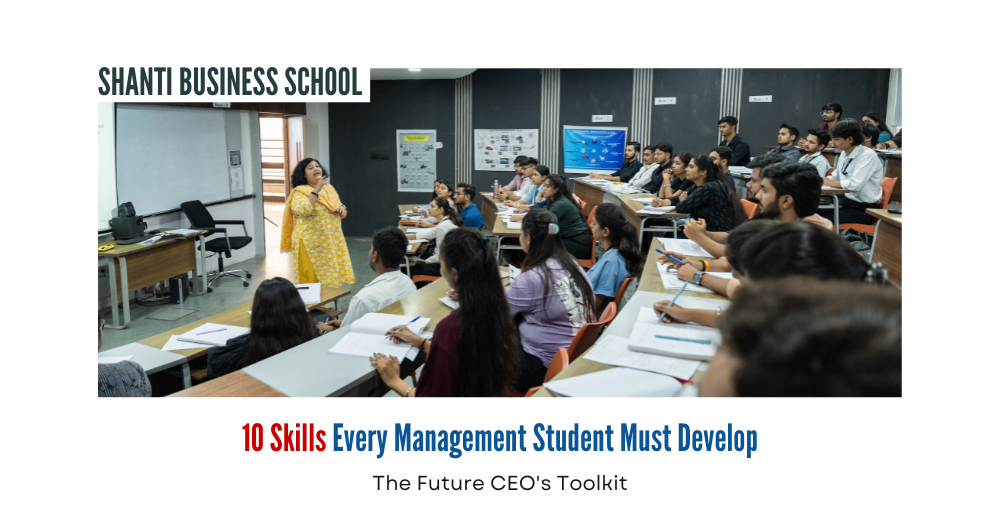
Every management student dreams of building a successful career, but only a few recognise that becoming a future leader requires much more than academic excellence. Today's business world is evolving rapidly, driven by digital transformation, global competition, and changing customer expectations. Organisations are looking for professionals who can adapt, innovate, and inspire teams—not just manage them.
The CEOs of tomorrow will be those who combine technical knowledge with leadership, emotional intelligence, and strategic thinking. Whether your goal is to lead a multinational corporation, launch your own startup, or drive innovation within an organisation, developing the right skills during your PGDM journey can give you a significant advantage.
Here are ten essential skills every management student should focus on to prepare for future leadership roles.
1. Strategic Thinking
Successful leaders don't just solve today's problems—they anticipate tomorrow's opportunities. Strategic thinking helps managers analyse market trends, understand competition, and make decisions that support long-term business growth.
Students can strengthen this skill by studying business case studies, participating in strategy competitions, and staying updated with global business developments.
Even the best ideas have little impact if they cannot be communicated effectively. Future CEOs must be able to present ideas clearly, negotiate confidently, and build strong relationships with employees, clients, and stakeholders.
Public speaking, presentations, group discussions, and networking activities help students become more confident communicators.
3. Emotional Intelligence
Leadership is about people as much as it is about business. Emotional intelligence enables managers to understand emotions, build trust, resolve conflicts, and motivate teams during challenging situations.
Students who develop empathy, active listening, and self-awareness often become stronger leaders capable of building high-performing teams.
4. Data-Driven Decision Making
Modern organisations generate enormous amounts of data. Future business leaders must know how to interpret information and use it to make informed decisions rather than relying solely on intuition.
Learning tools such as Excel, Power BI, and business analytics platforms help students develop analytical thinking that supports smarter decision-making.
5. Adaptability and Continuous Learning
Business environments change rapidly. New technologies, customer expectations, and market conditions require leaders who can learn continuously and adapt quickly.
Students should develop a habit of reading industry reports, attending workshops, earning certifications, and embracing new technologies throughout their careers.
6. Digital and AI Awareness
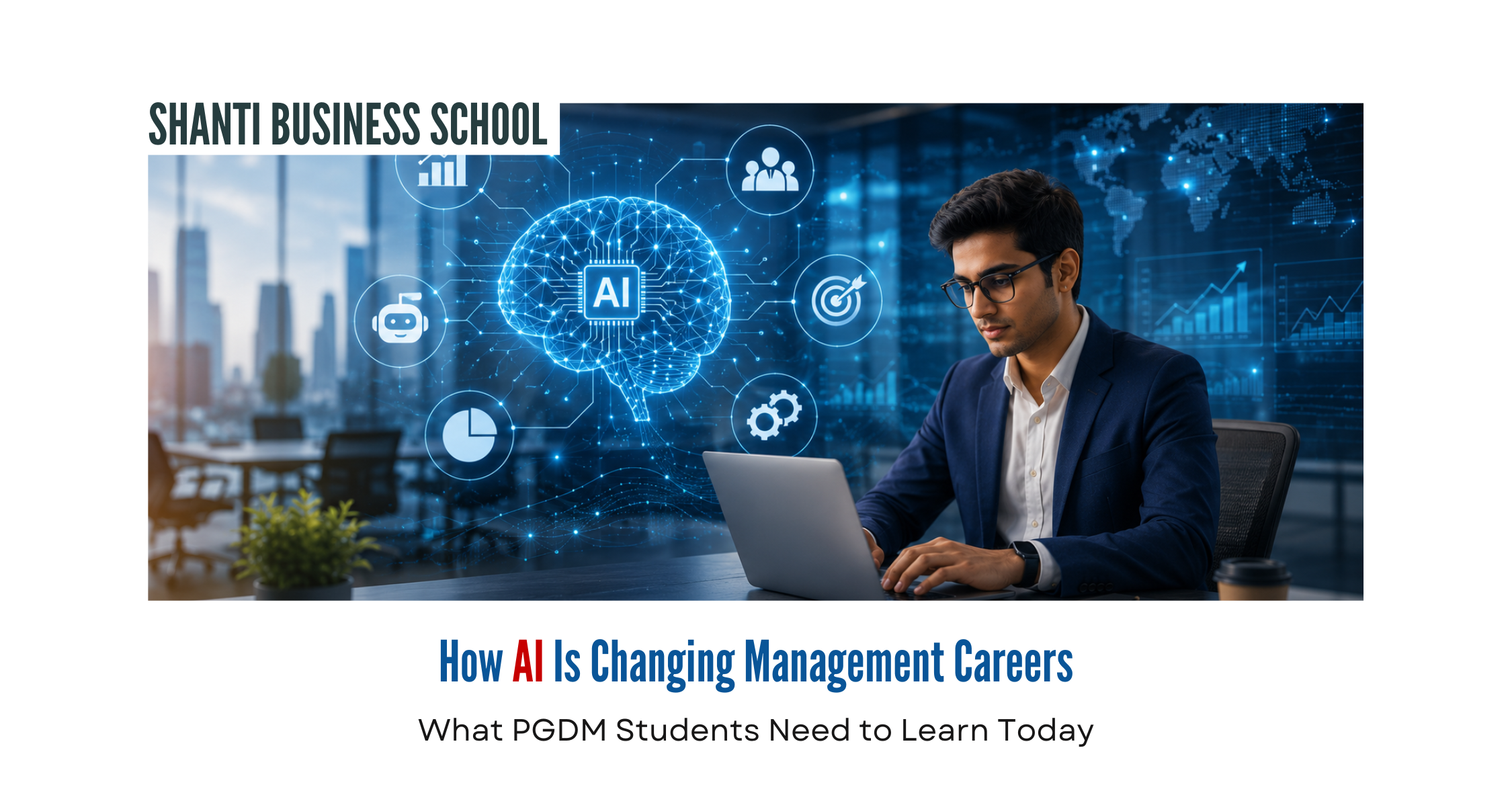
Artificial Intelligence, automation, cloud computing, and digital transformation are changing every industry. While future managers may not need to become software developers, they should understand how technology influences business decisions.
A basic understanding of AI applications, digital marketing, business analytics, and automation tools helps management graduates remain competitive in the evolving corporate landscape.
7. Problem-Solving and Critical Thinking
Organisations value professionals who can identify challenges, evaluate alternatives, and develop practical solutions. Critical thinking enables managers to analyse situations objectively and make balanced decisions.
Participating in live projects, case competitions, and internships provides students with valuable opportunities to strengthen these abilities.
8. Teamwork and Collaboration
Modern businesses operate through cross-functional teams where marketing, finance, HR, operations, and technology departments work together. Successful leaders know how to collaborate with diverse teams while respecting different perspectives.
College projects, leadership roles in student clubs, and group assignments provide excellent opportunities to develop collaboration skills.
9. Innovation and Entrepreneurial Mindset
Future CEOs are expected to create opportunities rather than simply respond to them. Whether working in a startup or a multinational organisation, innovation helps businesses remain competitive.
Students should cultivate curiosity, experiment with new ideas, and participate in entrepreneurship initiatives to develop an innovation-driven mindset.
10. Ethical Leadership
Trust remains one of the most valuable qualities in leadership. Ethical leaders make transparent decisions, demonstrate integrity, and prioritise long-term value over short-term gains.
In an era where corporate governance and sustainability are increasingly important, ethical leadership has become a defining characteristic of successful business executives.
Develop These Skills Before You Graduate
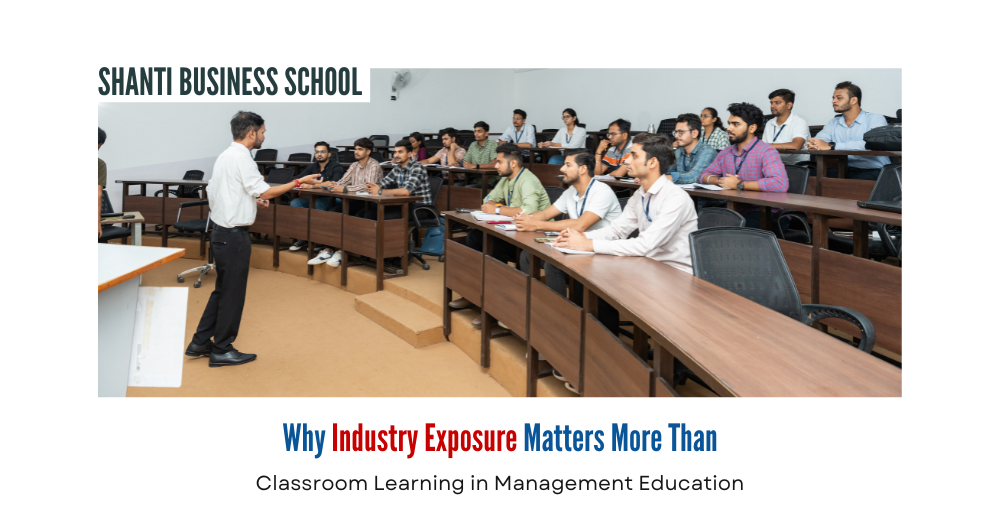
The classroom provides the theoretical foundation, but leadership skills are developed through experience. Internships, industry interactions, live consulting projects, business simulations, student leadership positions, and networking opportunities all contribute to professional growth.
Students who actively seek practical experiences during their PGDM journey are better prepared for placements and future leadership responsibilities.
Leadership is cultivated through continuous learning, practical exposure, and meaningful experiences. At Shanti Business School, students are encouraged to go beyond academics by developing the professional competencies that modern organisations seek in future leaders. Through industry-oriented PGDM programs, experiential learning, corporate interactions, leadership activities, internships, and real-world business projects, SBS helps students build the confidence, strategic mindset, and future-ready skills needed to excel in today's competitive business environment and grow into tomorrow's business leaders.